
In short
- Attendance went from 5,000 to 10,000 people, and a bigger ad budget is not what did it. A stronger program, better organization and sharper communication did.
- The Meta ads built on an existing community of more than 15,000 followers and around 1.7 million monthly views instead of starting from zero.
- Promotional materials usually go into production 4 to 6 weeks before the event, and the final week is reserved entirely for getting them out.
- For a mid-size regional event, the budget usually covers 2,000 to 8,000 euro for the stage and equipment, 500 to 5,000 euro per performer and 500 to 2,500 euro for digital advertising.
Why does a 10,000-person festival start months before the gates open?
Attendance at the festival in Sigmen village doubled, from around 5,000 to almost 10,000 people in a single edition. More ad spend is not the reason. The change started months earlier, when the program, the communication and the whole visitor experience were being planned. Advertising is the finishing touch, not the first step. When 10,000 people have decided to come to one place, the organization has to be right down to the last detail. One mistake in the program or one unclear sign on site can spoil the day for thousands. That is why a large event does not start with a poster. It starts with a clear picture of how things should run and how each element supports the rest.
How to organize a festival: a case study from Sigmen village
Around 5,000 people came to the first edition of the festival. Around 10,000 came to the second. That jump was no accident. Our team at Webtact.bg took part in the whole organization: the program, communication, activities, stalls, children’s games, promotional materials and promotion. Every activity was tied to the others to get the most out of each. The program has to hold visitors’ attention, the stalls have to give them reasons to stay, the children’s games have to bring in families, and the communication has to reach the right people in the region and beyond it.
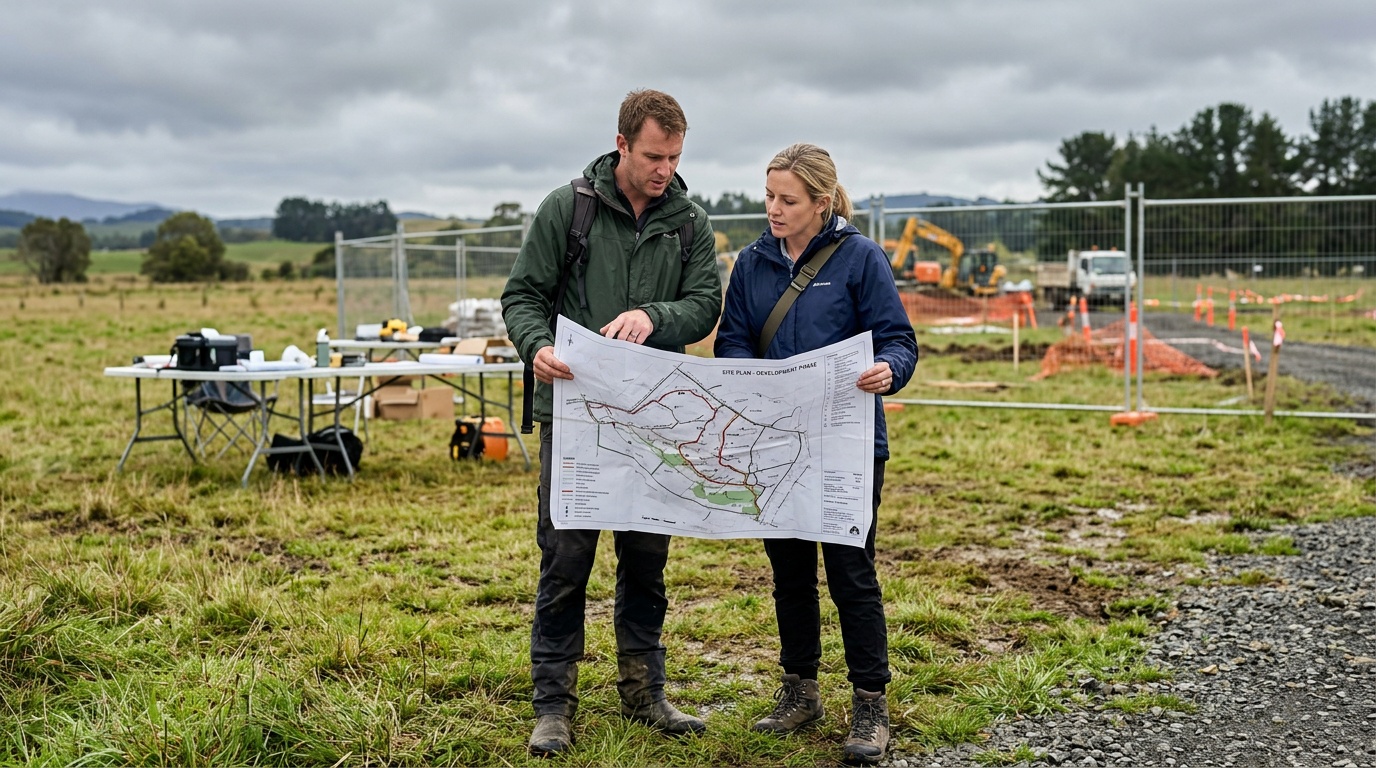
At an event this size, marketing does not end when people arrive. The event itself has to live up to what they expected.
For the second edition we wrote a full script for the host, Niki Kanchev, which kept the program moving and connected through the whole day. The appearance of Toni Dimitrova added to the scale of the event and drew a wider audience.
Digital marketing for an event: how the Meta campaign brings people to the venue
Digital marketing for an event in Bulgaria, a festival for example, needs clearly defined audiences, the right formats and well-chosen timing. With a free event the goal is for more people to hear about it and to build recognition, not to sell tickets. That changes the whole campaign, from how the target groups are picked to how the results are judged. The Mandra Sigmen Facebook page already has more than 15,000 followers, and its content brings in around 1.7 million views in a single month. You do not get numbers like that from one post a week before the event. The audience has to be built up over time, with content people want to share. So when the campaign for the event itself goes live, it stands on a community and a name that already exist instead of starting from zero.
Event host script: a structure that keeps the program connected
A host script keeps the event program connected and moving. To do the job well, the host has to keep track of the transitions between blocks, how long each activity runs and how to engage the audience. That way there are no awkward gaps, and the attention of hundreds or even thousands of people is held at once.
An effective script follows a clear logic:
- A welcome that sets the tone for the day.
- An introduction to the program and its main highlights.
- Smooth transitions between the individual performances and activities.
- Audience engagement during the breaks.
- A closing moment that leaves a sense of completion.
The host does not get a bare list of activities. They get a finished document with a timeline, lines to say and instructions for every situation that might come up.
Doubling festival attendance: the levers that drive growth
Doubling the number of visitors, from 5,000 to 10,000, takes a change in three areas: the program, the advertising and the experience on site. Here is what that involves:
- The program becomes more attractive, with names people recognize and look forward to seeing.
- The campaign reaches more people in the region and in neighboring provinces.
- The event is better organized on site, with stalls, a children’s area and promotional materials that keep visitors there.
- People come back happy and bring friends with them.
The program, the organization and the communication shape the experience. Steady, consistent improvements lead to more interest and more visitors.
Festival budget: a breakdown of the real cost items
The main costs of organizing a festival are the stage, sound, lighting, performers’ fees, stalls, advertising, materials and children’s activities. How big the budget is depends on the expected number of guests and the goals of the event. When entry is free, income usually comes from stalls, sponsors and municipal funding rather than ticket sales. Every euro spent should go toward a better experience for visitors. A common mistake is saving on the essentials, such as good sound, an interesting program and activities for children.
Approximate cost ranges for a mid-size regional event look like this:
- Stage, sound and lighting: 2,000 to 8,000 EUR, depending on the scale and technical requirements.
- Performers’ fees: 500 to 5,000 EUR per act, with popular names at the top of the range.
- Stalls, children’s area and promotional materials: 1,000 to 4,000 EUR.
- Digital advertising and promotion: 500 to 2,500 EUR for a campaign running several weeks.
The budget is not an obstacle. It is a tool for setting priorities. First you work out which elements give the audience the most value, and only then do you allocate the money.
Event promotional materials: a checklist with a timeline
For promotional materials to reach the audience on time, work on them starts weeks before the event. These are the main types:
- Physical: banners, flyers, posters, stall signs, directional signs.
- Digital: social media visuals, an event cover image, a program poster, promotional videos.
Production and distribution are planned at least four to six weeks ahead. Physical materials need time for printing and delivery, and digital ones have to be in the right format for each platform. In the final week before the event the focus is on actively getting the materials out, not on making new ones.
An event website and landing page that Google and AI assistants understand
A good event landing page clearly shows the date and time, the venue, the program and how visitors can register. That is the baseline. To make it truly effective, search engines and AI assistants have to understand the content without effort. Good SEO needs structured data for events, fast loading and a mobile version of the site. When someone asks ChatGPT or Google Assistant about the event, the answer should come from accurate, well-organized information, not from scattered posts. The landing page has to answer five key questions: when, where, what, how much it costs and how to get there. If visitors cannot find the answers, they leave, and an AI assistant cannot give a useful reply.
Local SEO for events in Bulgaria
When you organize an event in Bulgaria, local SEO is the surest way for people to find it. The page is optimized for specific searches such as “concert in Plovdiv”, “festival by the sea” or “events near Sofia”. Google Business Profile is the first step, and listing the event in local online directories helps even more. To draw visitors, include the information your audience is looking for: ticket prices, parking options, whether it suits children, the weather forecast. This makes the choice easier for people and also gives search engines clear signals that the page matches local queries. In smaller towns and villages local SEO often matters more than national SEO, because most visitors come from within a radius of 100 kilometers.
Google Ads campaign for an event: targeting and budget
In Google Ads, ads can be shown to people based on the keywords they search for, where they are and what they are interested in. When you plan the budget, you split it between search campaigns and display network campaigns. Search campaigns reach people who are already looking for information about the event or the region. The display network puts the event in front of a wider audience. You track how many of the people who click the ads go on to register or attend. If the event is free, a conversion can also be a visit to the registration page, a sign-up for a reminder or an interaction with the location map. Before the campaign starts, you define what success means for that particular project.
Email marketing and automated communication with attendees
Automated emails keep attendees engaged before, during and after the event. Program reminders, feedback surveys and thank-you emails can be set up once and then run on their own. Segmenting the email list lets you send different messages to different groups of visitors, for example special offers for early sign-ups or invitations to exclusive parts of the program. Direct email reaches people who have already shown interest.
Comparing approaches to organizing a large event
| Approach | Budget needed | Preparation time | Expertise needed | Control over the process | Scalability | Risk of mistakes |
|---|---|---|---|---|---|---|
| In-house team | lower | longer, especially where coordination is involved | depends on the skills and experience of the people | full | limited by the resources available | higher if experience is lacking |
| External agency | higher | shorter, thanks to established procedures | broad: covers program, communication, advertising and on-site logistics | shared, but needs clearly assigned responsibilities | high | lower, thanks to accumulated experience |
| Hybrid model | medium | depends on how well the in-house team and external partners are aligned | partial: covers only certain areas | balanced, but conflicts can arise if tasks are not clearly divided | moderate | medium, especially if there is little experience in coordination |
The right approach depends on the size of the event and the budget. For smaller events with a limited budget, an in-house team is a good option. For large events with thousands of attendees, an external agency brings the knowledge and resources needed. WebTact.bg works as an external partner that takes on the whole organization, from the program and communication to the advertising and the host script.
GDPR and personal data protection when organizing events
With online registration you must get explicit consent to collect personal data. The data is stored securely and destroyed as soon as it is no longer needed for its specific purpose. Check-in systems and QR codes also process personal data and have to meet GDPR requirements. Breaking the rules brings serious penalties and can also lead to a lasting loss of trust among visitors.
Collect only the data you need, and keep it only as long as the specific purpose requires.
Before the event, go carefully through every place where personal data is collected: registration forms, check-in lists, newsletters, photos and videos of guests. Every collection needs a clear legal basis.
Common event planning mistakes and how to avoid them
Even small oversights in the organization can seriously reduce the impact of an event. Here are four things that are often missed:
- An unclear goal. When it is not clear exactly what you want to achieve, the messages get scattered and struggle to reach the right audience.
- Underestimating preparation. Promotional materials, the program and the technical details take longer than they seem at the start.
- Skipping SEO for the event page. Without proper optimization, people will have a hard time finding information about the event.
- No analysis after the event. Without feedback it is hard to tell what worked and what could be better next time.
None of these mistakes is fatal, but each one cuts the real return on the effort you put in. To avoid them, start with a clear goal, draw up a detailed plan with a buffer for the unexpected, pay attention to the technical optimization of the page and plan the results analysis in advance.
Analyzing results and measuring ROI after the event
Google Analytics is used to track traffic to the landing page and the number of conversions. On social media you follow reach, engagement and the audience profile. ROI is calculated by comparing the money invested with the goals achieved: attendance, sales or new enquiries. Attendance on its own is not enough, even when the event is free. Returning visitors, social media activity after the event and enquiries to partners matter too. The analysis starts during the event itself and continues for weeks afterward as the collected data is reviewed.
Frequently asked questions
How do I plan the program of a festival or large event step by step?
Start by pinning down the audience and the main goal. Then set the frame of the event: the opening, the main highlights, the climax and the finale. Give each segment a time slot and a named person responsible. Finally, write a script that ties the pieces together and keeps the pace.
Which digital channels work best for promoting an event in Bulgaria?
For large events, especially regional ones, Facebook and Instagram work best. Google Ads is useful for reaching people who are actively looking for information. Email marketing pays off if you already have a list of interested people. Which channels you choose depends on the audience and the goals of the event.
How do I build a landing page that sells tickets and registrations?
The page needs clear information about the date, venue and program, plus an easy registration button. On the technical side it has to be fast, work well on a phone and be optimized for search engines. Structured data helps Google and voice assistants recognize and display the event details.
How do I measure the success of the event’s ad campaign?
Track reach, clicks, conversions and cost per conversion. For free events, a conversion can be a page visit, a sign-up for a reminder or an interaction with the map. After the event, compare the ad spend with the actual attendance.
What GDPR requirements apply when I collect visitor data?
You need informed consent to collect personal data, secure storage, and deletion once the processing period has ended. Every system that handles personal data, including QR codes and check-in lists, has to comply with GDPR.
How do I automate communication with registered attendees before and after the event?
Map the key moments in the attendee’s journey: registration, a reminder before the event, sending out the program, a thank-you after the event. Prepare an automated message for each step. Segmentation lets you send personalized messages to different groups of visitors.
Organizing a large event means coordinating a lot of moving parts. We approach every project by starting from the business goals, not from individual tasks. To talk through a specific event, use the Request a consultation option on our site.