In short
- A brand is a promise of quality and origin, built through an experience that repeats every time, not through expensive design.
- Content attracts while paid ads interrupt; behind-the-scenes footage and stories build trust faster.
- In Bulgaria, Facebook suits local products best, Instagram suits good-looking goods, and TikTok gives fast reach.
- Your own website gives you control over price and customer data, which marketplaces and middlemen don’t.
Why craft products don’t sell without a brand
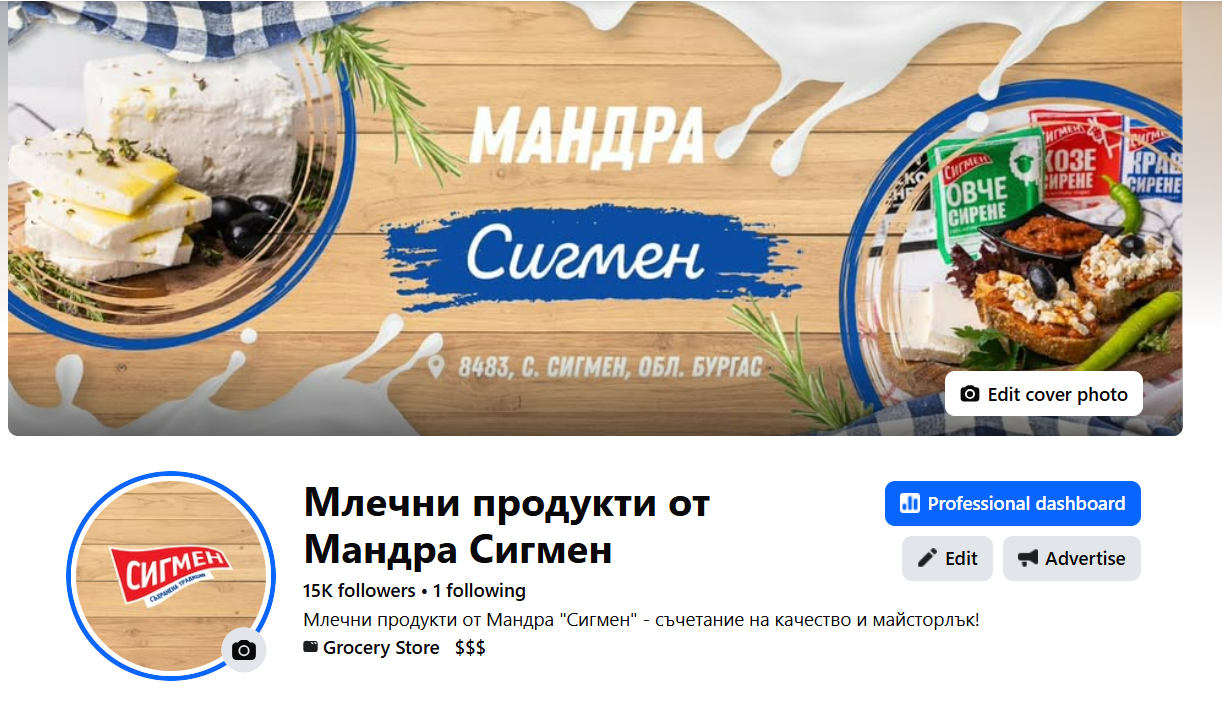
Small producers often stay in the shadows, even when their products are excellent. However skilfully made and tasty they are, without recognition people usually reach for the familiar industrial packaging. A brand is more than a logo. It is the trust that makes customers pick this particular product when they see it again. The example of Sigmen Dairy shows how even a traditional dairy producer can reach millions of views when the content starts from what people find interesting, not from what needs to be sold.
At WebTact we work with small producers on exactly this change. Before getting to the tools, it is worth understanding what actually builds recognition.
What a craft brand really is: more than a logo and packaging
A maker’s brand is a promise. Customers don’t just buy a product; they connect it with quality, origin, a story and specific people. The logo and packaging hint at that promise, but they are not the promise itself. The strength of a craft brand comes from the people and the process behind it, and both can be shown.
Recognition doesn’t come from expensive design. It comes from an experience that repeats: the same taste, the same story, the same faces at the market or in your content. When a customer buys the product a second time, the brand is already born.
EU geographical indications can help, but only if they are part of the story. Printed on the label as regulatory text, they read like bureaucracy. When they describe the place and the method, they become a foundation for trust.
A brand is the memory that stays with the customer after the product has gone from the table. It is not what the producer says.
Content as the new marketing: how small producers can use it
Paid ads interrupt, content attracts. Small producers often miss this opportunity because they think of marketing only as paid advertising.
Makers have a unique advantage: what they do every day is ordinary work to them, but to the customer it is authentic and interesting. Watching cheese being made, bread being baked, pottery being shaped or soap being stirred is not advertising. It is the reality behind the product, and people want to get to know it.
Social networks are no longer just an extra channel. They are the brand’s own media, a place people come back to because they find value there, not just offers.
The payoff is not an instant sale. It is recognition, which makes your product the natural choice when someone needs it. That takes longer, but it lasts far longer too.
The maker’s story: how to tell your authentic story
A maker’s story shows why the product exists and what sets it apart from the rest. When customers buy, they support not just the goods but the person behind them and the tradition the product carries.
The strongest marketing is the production itself. A photo of a dairy where the whey is separated from the curd. Hands kneading bread. Smoke from the oven. These are stories no advertising department can recreate.
Those very shots, from the dairy to the bakery, are where the value lies. How to film them and tell them so they carry the authenticity of the craft deserves a closer look of its own.
Which social networks work best for craft products in Bulgaria
In Bulgaria, Facebook has the most users who actively look for and buy local products, especially food and goods that look good. Instagram favours products with an aesthetic: beautiful packaging, details and the making process. TikTok brings fast reach, but content there has to be short and dynamic, and the audience is younger.
It is better to focus on one main network and grow an audience there consistently than to spread yourself across several half-active profiles.
- Facebook: the most users in Bulgaria
- Instagram: good-looking products and a younger audience
- TikTok: fast reach, but short and dynamic content
- Your own website: the place for orders once the interest is there
A practical roadmap for a craft business Facebook page, from setting it up to the first 1,000 followers without paid ads, is a topic for a separate article.
Content that builds trust: process, customers and behind the scenes
Behind-the-scenes footage shows the real process and the people behind the product. That builds trust faster than any ad, because it shows something that is not easy to fake.
Customer stories and reviews give social proof that the product delivers. Educational content (how it’s made, how to store it, how to enjoy it) positions the producer as an expert rather than a seller.
Direct sales content should be a small part of the mix. Most of it should first build interest and recognition. A traditional producer can reach millions of views if the content starts not with what we want to sell, but with what people would find interesting.
- Behind-the-scenes production footage: raw materials, process, hands, tools
- Customer stories and reviews: people who have already chosen the product
- Educational content: how it’s made, stored and enjoyed
- Stories about the people on the team: faces, names, roles
- Direct sales content: a small part of the mix
How to sell direct online: practical steps for small producers
More and more small producers are thinking about selling direct online. The reason is simple: your own website gives you control over price, customer data and the relationship with your customers, which platforms and middlemen don’t offer. Yes, marketplaces bring quick results, but they don’t build a loyal customer base.
How does this work in practice? The content you create brings people to your website, where ordering is quick and easy and delivery goes through a Bulgarian courier. Integration with local couriers and parcel lockers makes the whole process trouble-free for the customer. This matters most for food, where freshness depends on how fast the delivery is.
How exactly to turn interest on social media into real orders, from the first contact to the completed purchase, is something we explain further on.
EU geographical indications: how to use them in brand marketing
EU geographical indications are a mark of quality and origin that tells the story of a place and its traditions. More than a regulatory stamp, they are a memory of taste and skills passed down through generations.
For any brand, using them is a chance to stand out from mass production and justify a higher price. When a geographical indication is part of the packaging and the marketing materials, it becomes part of the customer’s experience and memories.
The EU regulation itself provides legal protection, but the real value lies in how you tell the story behind it. A stamp can’t sell a product on its own; the strength is in the story that comes with it.
Once the customer understands why a place and a method matter, the geographical indication is already working. The stamp is the proof, but the story is the reason they choose.
The website’s role for the brand: SEO and search visibility
Social networks catch attention, but the website is where interest turns into a purchase. When a customer sees something on Facebook and later searches for the brand’s name on Google, they should find a professional presentation that justifies their trust.
SEO makes sure the brand shows up among the first results when someone searches for the product on Google. For local brands working in a specific region or town, local SEO is especially important. A clear site structure also helps AI assistants like ChatGPT recognise and recommend the products. An event website and a landing page that Google and AI assistants understand matter just as much for visibility.
The most common mistakes when building a craft product brand
Building a brand for craft products has its own quirks. Producers who are impatient for results often skip key steps that success rests on.
The most common mistakes are:
- Starting with the logo and packaging before it is clear what exactly the brand promises.
- Posting only content aimed directly at selling, which often puts potential customers off.
- Relying on a single platform without building your own website and keeping an email list.
- Underestimating consistency: posting now and then does not build a loyal audience.
- Ignoring geographical indications and other quality marks that matter to consumers.
A 30-day plan to build a recognisable brand with no ad budget
The first 30 days are not about sales. They are about laying the foundation that sales will come from later. Here is what we do in the first month:
- Week 1: We define the brand’s promise and its core story. Why this product exists and what sets it apart from the rest.
- Week 2: We create the first 5 to 7 pieces about the production process. Photos, short videos and texts that show how the work is done.
- Week 3: We post on the main platform and talk actively with the audience. We reply to comments and questions and say thank you for feedback.
- Week 4: We look at the results. Which pieces reached the most people, and what we plan for the next month.
Collecting email addresses and pointing people to your own website is an ongoing job for the team, because that is the asset that doesn’t depend on any platform’s algorithm.
Content vs paid ads: which works better for the brand
| Approach | Budget needed | Time to first results | How long the effect lasts | Building trust | Dependence on the platform | Best for |
|---|---|---|---|---|---|---|
| Organic content | Lower | Slower | Lasting: the effect stays even after you ease off | Yes, builds a long-term relationship with the audience | Low | Building loyalty and community |
| Paid ads | Higher | Fast | Short-lived: when the budget stops, the effect fades | Limited: shows the brand to more people but doesn’t deepen the relationship | Higher | Reaching new customers fast; promotions and campaigns |
For a growing brand, the best strategy is to stand on its own content and use paid ads for short boosts, for example when launching a new product, in the holiday season or around a special event. Content delivers value and earns trust, and ads help you reach more people faster. Put plainly: with ads you pay for visibility, with content you build a relationship.
Frequently asked questions
What turns a craft product into a recognisable brand?
A customer who buys a product for the second time and recognises it is what creates a brand. It comes from a consistent experience: the same taste, the same story, the same people. A logo and packaging help, but they are not what the brand is.
How can a small producer build a brand with no ad budget?
By regularly posting authentic content about their work. The daily routine of production, ordinary to the producer, is interesting to the customer and builds trust. The process is slow, but the effect lasts.
How do customers see the difference between a craft product and an industrial one?
A craft product carries a story and a face. An industrial one carries uniform quality and a lower price. Across several hundred pastas sold online, the artisan ones carry the highest price premium, which shows that people choose craft when they want authenticity and are willing to pay more for it.
How do you build trust in a small food or handmade goods brand?
By showing the real process and the people behind it. Customer stories and educational content build trust faster than advertising, because they show something that is hard to fake.
How do EU geographical indications affect craft product branding?
They are a mark of quality and origin that consumers recognise. For the brand, they are a ready-made story about a place, a tradition and a method. The legal protection matters, but the real strength comes from how that story is told.
How do you sell craft products online without middlemen?
Through your own online store connected to courier services. That gives you control over your margin, your data and your relationship with the customer. Content creates the interest, the website makes ordering easy, and delivery completes it. The webtact.bg team helps small producers build exactly this system.
Building a brand for craft products is not a question of money. What matters is consistency, authenticity and a clear idea of what the product promises. When those are in place, recognition follows. Getting started doesn’t take a complicated strategy, just a decision to show the reality.