
In short
- In just four months, a niche digital media outlet can gather 16,000 followers without spending a single lev on ads.
- Content aimed at a narrow group of people draws more interest and grows faster, because the Facebook and Instagram algorithms reward it.
- Before you start, check that the audience is big enough, that the topic genuinely matters to people and that the competition isn’t too strong.
- For a small business, a small audience that is genuinely engaged beats a large one that only scrolls past.
Niche digital media: the fastest route to a loyal audience
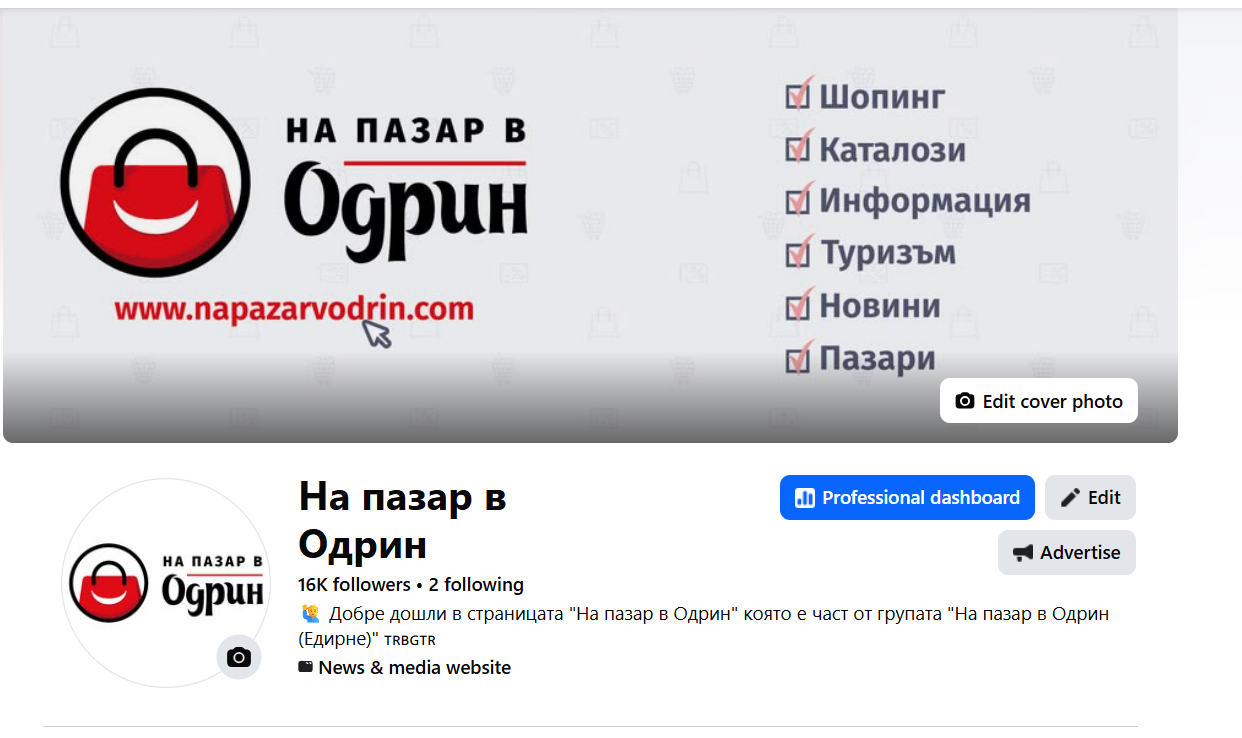
Many small business owners believe that running a media outlet means pouring huge sums into advertising. That isn’t true. A project like the “Na pazar v Odrin” (Shopping in Edirne) page, created by our team at WebTact, can gather around 16,000 followers in four months, without starting from an existing audience and without spending on paid advertising. Niche digital media works differently from mass channels. First you have to give people a reason to follow the page. The content has to match their real interests: shops, markets, prices, useful information. The audience comes first, and only then does the advertising channel open.
This approach is deliberate. Research by Forbes and Deloitte shows that targeted content generates significantly higher engagement than mass posts. When a niche digital media outlet answers specific questions, the Facebook and Instagram algorithms show it to more people, because users spend more time on it. That creates natural growth that doesn’t depend on an ad budget.
For a small business, niche digital media is the most direct route to a loyal audience. Instead of competing with big players for general attention, it attracts exactly the people who have a real interest in a specific topic. We apply the same model in other projects related to digital marketing and online store development. When the content is useful and consistent, the audience shares and recommends it on its own.
Niche digital media doesn’t need a large team or expensive infrastructure. Consistency, knowledge of the topic and an understanding of what the audience is looking for are enough. That is exactly what makes the model accessible to small and mid-size businesses that want their own communication channel, independent of paid ad networks.
Building a niche digital media outlet starts with a clear picture of the target group: what questions it asks, what interests it, what problems it wants to solve. Once you have those answers, the content strategy is built around them. The result is an engaged community that comes back regularly and trusts the recommendations. To learn more about building a project like this, see our services.
What niche digital media is and why it suits small businesses
Niche digital media is a specialized site or blog aimed at a specific but very active group of people with shared interests. It doesn’t try to attract everyone. It speaks to the people who are already looking for particular information, such as market prices, weekend trip ideas or a specific product. For a small or mid-size business, it is a direct channel to customers, independent of expensive ad networks. An outlet like this attracts people who haven’t decided what to buy yet but are researching. The deeper and more useful the content, the greater the trust, and that kind of trust is hard to achieve in mass media.
A small but engaged audience is often worth more than a large, passive one. One reader who comments and shares is worth more than a hundred who just scroll through the posts.
The difference between niche and mass media
Mass media bets on volume, while niche media bets on accuracy and relevance. Mass outlets publish all kinds of content for all kinds of people, while niche outlets answer specific questions for a specific group. The difference shows most in engagement: people who follow a niche outlet take an active part by commenting, asking and sharing. The way it earns money is different too: with niche outlets, advertisers pay for access to a clearly defined audience, not for random reach. Because the content is specialized, trust is higher, which makes niche media more accessible to a small business with limited means.
How to choose a profitable niche for your digital media
Choosing the right niche is key for any niche digital media outlet. If it is too broad, the content becomes shallow. If it is too narrow, there won’t be enough readers. So you have to check three things: whether the audience is big enough, whether there is clear interest and whether the competition is strong. A good example of a niche is Edirne among Bulgarian tourists. The audience is large and the interest is specific: prices, shops, markets and practical information. Until this project launched, there was no established Bulgarian outlet meeting those needs. Success comes when you find missing information and provide it.
This makes niche digital media especially suitable for a small business with a limited budget. Instead of competing with the big portals, it earns trust in a narrow but active community.
- Check how many people are actively searching for information on the topic.
- Look at the competition: is there already an established outlet serving this audience?
- See how the niche could make money: are there businesses that would pay for access to this audience?
- Publish a little content and watch how people react.
After the initial test comes validation. A niche digital media outlet proves itself through steady engagement, not a one-off spike of interest. Readers’ comments, shares and questions show whether the topic has room to grow. If the first posts get only passive views, the niche probably isn’t strong enough. But if people start asking for details, suggesting topics and coming back to the site, that’s a sign the outlet has found its audience.
For a better understanding of how to build a presence on social media, see our digital marketing and online store development services. They help niche projects grow with a clear strategy and the right tools.
Choosing a niche isn’t a one-time decision. It takes monitoring, adjustments and a willingness to change. The most successful niche digital media outlets start with a small topic and widen it gradually without losing focus. That is how you build a lasting audience that brings real results.
How to build a Facebook audience without paid ads
A clear goal is the first step toward organic growth. A niche digital media outlet has to give people a reason to follow it. The content answers a specific interest: shops, markets, products, prices, interesting places. When a post solves a real problem, Facebook shows it to more users. Consistency matters more than one-off “viral” content. Regular posts build a habit and an expectation in the audience. Paid promotion comes in only after organic growth has already shown that the content strikes a chord.
The “Na pazar v Odrin” page gathered around 16,000 followers in four months. It shows how organic growth works when the audience is well defined and posting is regular. That is exactly what makes niche digital media more effective than mass pages.
For niche digital media, the Facebook algorithm works in favor of quality. Posts with a high share of comments and shares get more reach without any budget. That’s why the content strategy has to start with one question: what does the target audience actually care about? The answer shapes everything else.
Building an audience without paid ads takes patience and consistency. Niche digital media earns trust slowly but keeps its followers for a long time. That’s the difference between passing interest and a lasting community. For projects that want to grow their social media presence with a clear strategy, our digital marketing services offer practical guidance and tools. Online store development also helps niche projects turn their audience into customers.
Organic growth isn’t a matter of luck. It comes from consistent work, a clear goal and content that delivers value. When those are in place, Facebook widens the reach of your posts on its own.
Content that keeps readers and grows your following
Not all content does the same job. Some of it attracts new followers. Some keeps the ones you already have. The distinction is key. Posts about market prices in Edirne attract people who are planning a trip. Stories about local traders keep those who already follow. You need both. Without content that attracts, there is no growth. Without content that retains, there is no loyalty. Formats should follow the platforms’ algorithms without losing authenticity.
- Practical information and prices: attract new followers through search.
- Comparisons and useful tips: show expertise and build trust.
- Stories from local people: create an emotional connection and keep the audience.
- Interactive formats (questions, polls, comments): raise engagement.
Which social networks suit a niche media outlet best
If you run a niche media outlet, your choice of social networks depends directly on your audience. For a Bulgarian audience interested in destinations like Edirne, Facebook leads. That’s where the active users are, looking for practical information and ready to share their impressions. Instagram adds visual content: photos of places, products and atmosphere. Short videos on TikTok and YouTube can widen your reach and get you to a younger audience. LinkedIn is less suited to consumer niches, but it can be useful for B2B partnerships with businesses at the destination.
Native advertising in niche media: how to keep your audience’s trust
Effective advertising fits naturally into the content. When you prepare a sponsored post for a niche outlet, it should follow the format and style of the other material there. If the audience is looking for specific information, such as prices or shops, the ad content should offer practical value too. For example, a local business in Edirne can be presented through useful information about its products or services instead of a direct sales pitch. Marking the post as sponsored doesn’t reduce its effectiveness. It builds trust and keeps your relationship with the audience honest.
Native advertising works when it brings the reader practical value and feels like a natural part of the content. If it’s useful, it adds to the experience instead of interrupting it. That’s the very reason people follow the page.
Monetization models for niche digital media
The route to profit from a niche site depends on the audience. There are four main models, each with its pros and cons. You can sell advertising directly to local businesses that want to reach your community. Another option is affiliate marketing, where you get a percentage of every sale made through your link. Creating and selling your own products related to the site’s topic is a direct source of income. Finally, there is paid content, which gives subscribers access to exclusive material.
- Direct advertising: local businesses pay to appear in front of your audience.
- Affiliate marketing: you earn a commission on products and services you recommend.
- Your own products: digital or physical products that are useful to your community.
- Subscription: paid content available only to subscribers.
Which monetization model works best for a niche outlet with a small audience
| Model | Followers needed | Time to revenue | Audience engagement level | Risk of losing trust | Scaling potential |
|---|---|---|---|---|---|
| Direct advertisers | Fewest followers | Fast | High | Medium, if the ads are native | Limited by the number of businesses in the niche |
| Affiliate marketing | More traffic | Slower | Important but not decisive | Low, if the recommendations are relevant | High as traffic grows |
| Your own products | Followers who trust you | From sales | Critical | Low, if the quality is high | Depends on expanding the product line |
| Paid access | Strong community | Slowest | Extremely high | High, if the content doesn’t justify the price | Limited by the audience’s willingness to pay |
For an outlet with an audience under 50,000 people, direct advertisers bring the fastest revenue. Once trust is built, your own products are a good option. Affiliate marketing and paid content need a bigger reach.
Choosing a profitable niche: practical criteria
Choosing a niche isn’t guesswork. It rests on real data. Check what people are actively searching for on Google and social media. See how active the groups and pages on the topic are. Find out whether businesses are willing to pay for access to this audience. The Edirne example says a lot: a destination that became a niche for a Bulgarian audience because interest was strong and competition was weak. There was demand. Information was missing. That opened an opportunity.
How to advertise to Bulgarian customers abroad
If you run a business in Edirne, you can reach Bulgarian customers before they even set off for Turkey. That is the logic behind advertising in media aimed at Bulgarians outside Bulgaria. Instead of relying on random traffic from Google or Facebook, businesses invest in access to an audience that is already built and active. Outlets like these act as a bridge: people follow them for the useful information, and advertisers appear in that context naturally rather than intrusively. Value for readers comes first, and services and products are offered after that.
How to automate the work behind a niche media outlet
As a niche media outlet grows, automation stops being a luxury and becomes a necessity. With a content calendar you can plan content ahead and stay regular without posting by hand every day. Audience analysis shows which topics and sections attract attention and which don’t. Chatbots and automatic replies handle frequently asked questions, such as those about services or contact details. Integration with a CRM and email marketing makes it easy to stay in touch with readers outside social media. Automation doesn’t replace quality content. It frees up time to create it.
Success metrics: what to track in niche media
How do you know whether the content you publish is actually working? To turn posts into real value for the business, you need to track a few key numbers. Reach and impressions show how many people saw a post. Engagement (likes, comments, shares) shows whether the content managed to catch the audience’s attention. Follower growth matters most at the start, while conversions (clicks to advertisers or sales) are the clearest sign of business impact.
Remember that metrics are not an end in themselves. They should help you optimize the content strategy. For example, if a post has huge reach but almost no engagement, the format isn’t working for this audience. On the other hand, if engagement is high but follower growth stalls, the content is keeping current readers but not attracting new ones.
The “Na pazar v Odrin” page is a good example. It generated millions of views within a few months, and that huge reach turned into followers and engagement because the content was consistently useful to the audience.
Common mistakes when starting a niche media outlet and how to avoid them
Niche outlets very often start with a topic that is too broad. Trying to speak to everyone usually means nobody feels particularly drawn in. Another typical mistake is chasing sales before an audience is built. People don’t follow ads. They look for real value. Inconsistency is a serious problem too. If posts don’t come out regularly, readers stop expecting new content. Pay attention to the comments as well, because they give valuable feedback. And finally, monetizing too early can ruin everything. Earn trust first, then think about profit.
Benefits of building the audience early
- When the audience forms before monetization, revenue afterwards is higher and more sustainable.
- Organic growth is far more cost-effective than paid ads.
- Readers’ comments make the content more useful and more accurate.
- When the outlet is trusted, advertisers respond to it better too.
Downsides of monetizing too soon
- Too much advertising drives readers away and erodes trust.
- Engagement drops if the content is full of ads.
- Sponsored material with no real value makes people give up.
- Rebuilding a reputation after mistakes takes a lot of time and effort, but it can be done: go back to creating valuable content and listen to your readers.
How niche media supports the core business
A media outlet isn’t a side activity. It is a strategic asset. The trust built around it carries over to the core business. The content improves visibility on Google and other search engines, and when people look for information about a place or a product, the outlet appears among the first results. Readers can be directed to the core business’s products and services. At WebTact we use our own real projects as a testing ground for new formats, technologies and marketing ideas. What we learn grows into methods we apply for our clients.
Conclusion: niche media as a strategic asset
Building a niche digital media outlet is entirely possible and affordable. It takes a clear idea of the audience and consistency in publishing useful content. The value and originality of the information are what drive growth, far more than large ad campaigns. Our own experience at WebTact shows how the right strategy and content can produce real growth, from the first post to a community of thousands of followers and real sales. That way the outlet becomes your own advertising channel, working for both the core business and its partners: a long-term investment that grows in value with every new step.
Frequently asked questions
What is niche digital media and how does it differ from mass media?
Niche digital media is a specialized outlet aimed at a specific group of people with clear interests, for example Bulgarians who travel to Edirne. It doesn’t target the mass viewer. Its aim is to build trust and a strong connection with a small but active community. While mass media chase a big audience, niche outlets go for deeper coverage of their topic.
How do you choose the right niche for a digital media outlet?
There need to be enough people interested in the topic, enough to say about it and not too much competition. Check what people search for on Google and how active the groups on the topic are on social media. Are there businesses that would pay to reach this audience? The Edirne example shows how a destination can become a profitable niche for a Bulgarian audience.
Which social networks work best for a niche outlet focused on a foreign destination?
For a Bulgarian audience, Facebook is still the most important, especially for destinations like Edirne. Instagram is useful for visual content. TikTok and YouTube Shorts can help you reach a younger audience with short videos. It’s best to focus on the places where your target group is.
How do you build and keep an engaged audience on social media?
First you have to give people a reason to follow you. Publish content that answers specific questions: prices, practical information or stories from local people. Post regularly, because regular posting builds a habit in your audience. Listen to the comments, since they show what the audience is looking for. Don’t rush monetization until people trust you.
What are the main monetization models for niche digital media?
The most common are direct advertisers, affiliate marketing, your own products and paid access. If your audience is under 50,000 people, direct ads and your own products usually work best, because they don’t need heavy traffic, just a strong connection with a specific group.
How do you measure the success of a niche outlet, and which metrics matter?
Reach and impressions show how many people see the content. Engagement measures the quality of the connection. Follower growth matters at the start. Conversions show how profitable the outlet can be. These metrics should lead to concrete actions instead of becoming an end in themselves.